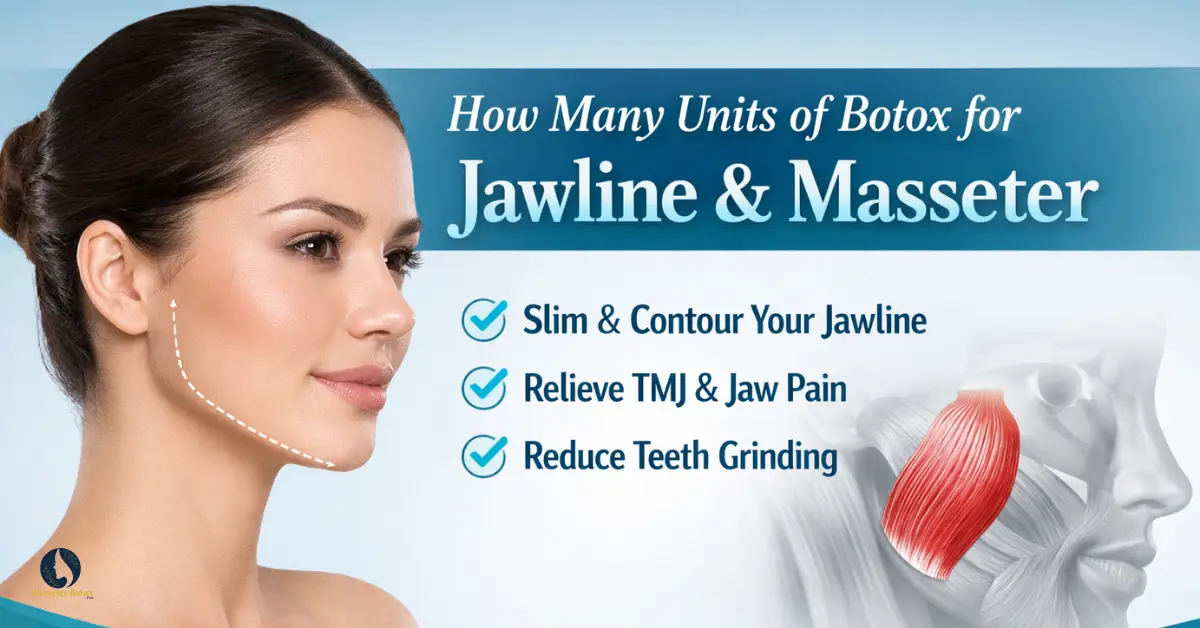
Jaw Botox is increasingly used for both cosmetic and therapeutic purposes, with many people choosing it for jawline slimming while others seek relief from jaw pain, teeth grinding, or TMJ-related muscle tension. Because the jaw muscles are strong and complex, understanding proper Botox dosing is essential to achieve safe, effective, and balanced results.
The number of Botox units needed for the jawline or masseter muscles varies based on individual anatomy, muscle strength, and personal treatment goals. There is no universal dosage, which is why a medically informed, personalized approach is important to maintain natural facial harmony, proper jaw function, and predictable outcomes without unnecessary risks.
Understanding Jaw Anatomy and the Masseter Muscle
The masseter muscle is a large, thick muscle located on both sides of the jaw and plays a primary role in chewing and clenching. When this muscle becomes overactive or enlarged, it can affect facial shape and jaw comfort.
Key points to understand:
- The masseter is one of the strongest muscles in the human body
- Overuse leads to muscle hypertrophy
- Muscle size directly affects jaw width and tension
- Botox targets muscle activity, not bone structure
What Is Masseter Muscle Hypertrophy?
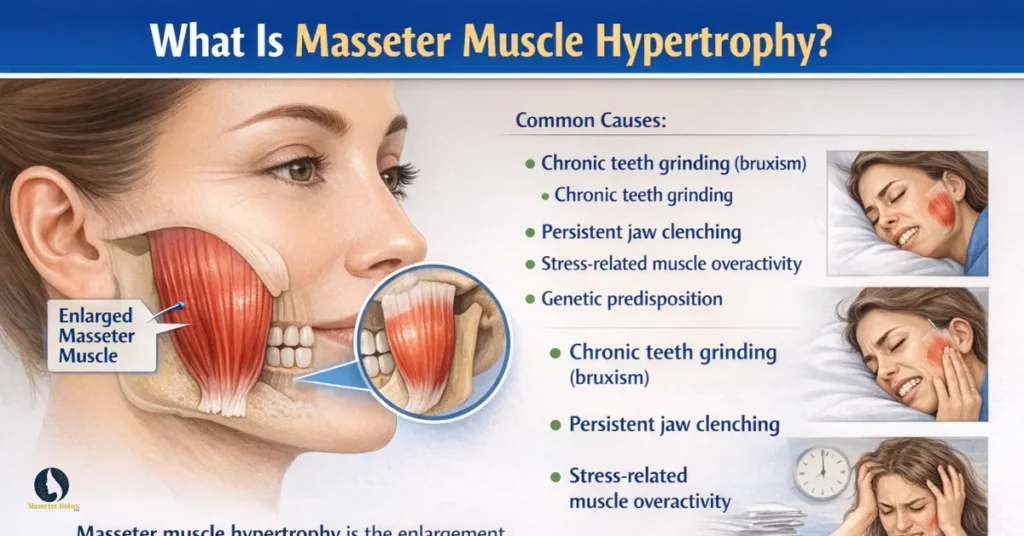
Masseter muscle hypertrophy refers to the enlargement of the jaw muscles due to repeated overuse. This condition is common in people who grind their teeth, clench their jaw under stress, or have TMJ disorders.
Common causes include:
- Chronic teeth grinding (bruxism)
- Persistent jaw clenching
- Stress-related muscle overactivity
- Genetic predisposition
How Botox Works in Jaw Muscles
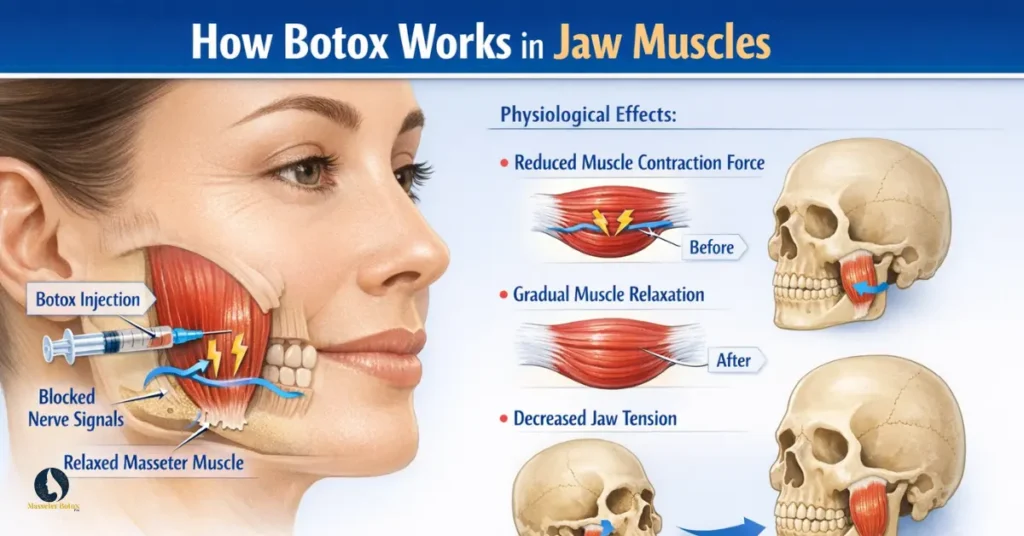
Botox works by temporarily blocking nerve signals that cause muscle contraction. When injected into the masseter, it reduces muscle strength without stopping essential functions like chewing or speaking.
Physiological effects include:
- Reduced muscle contraction force
- Gradual muscle relaxation
- Decreased jaw tension
- Progressive jaw muscle reduction
Botox Dosage for Jaw: Why Units Matter
Botox dosage for the jaw is measured in units and varies based on muscle size, facial structure, and treatment goals. There is no universal dosage, and individualized planning is medically necessary.
Dosage depends on:
- Muscle thickness
- Gender differences
- Strength of clenching
- Cosmetic vs medical purpose
How Many Units of Botox for Masseter Muscles?
Most treatments fall within a medically accepted range, but adjustments are made per individual anatomy. The masseter muscle typically requires more units than other facial areas.
Average Dosage Table
| Area Treated | Typical Units |
| Masseter (per side) | 20–30 units |
| Both masseters total | 40–60 units |
| Severe hypertrophy | May exceed average |
| TMJ-related cases | Higher therapeutic dosing |
Masseter Botox Units Per Side Explained
Each side of the jaw is treated separately to maintain balance and symmetry. Even if pain or clenching is felt on one side, both sides are usually treated to prevent imbalance.
Why per-side dosing matters:
- Maintains facial symmetry
- Prevents uneven chewing force
- Ensures balanced muscle relaxation
Botox for Jawline Contouring
Jawline contouring Botox focuses on improving facial proportions rather than muscle pain. By reducing masseter bulk, the lower face gradually appears slimmer and more refined.
Aesthetic effects include:
- Softer jaw angles
- Reduced square jaw appearance
- Improved facial balance
- Natural-looking face slimming
Botox for Square Jaw and Jawline Reshaping
A square jaw caused by muscle bulk—not bone—is ideal for Botox treatment. Jawline reshaping occurs gradually as muscle volume decreases.
Jaw reshaping benefits:
- Non-surgical approach
- No downtime
- Progressive, subtle results
- No permanent structural changes
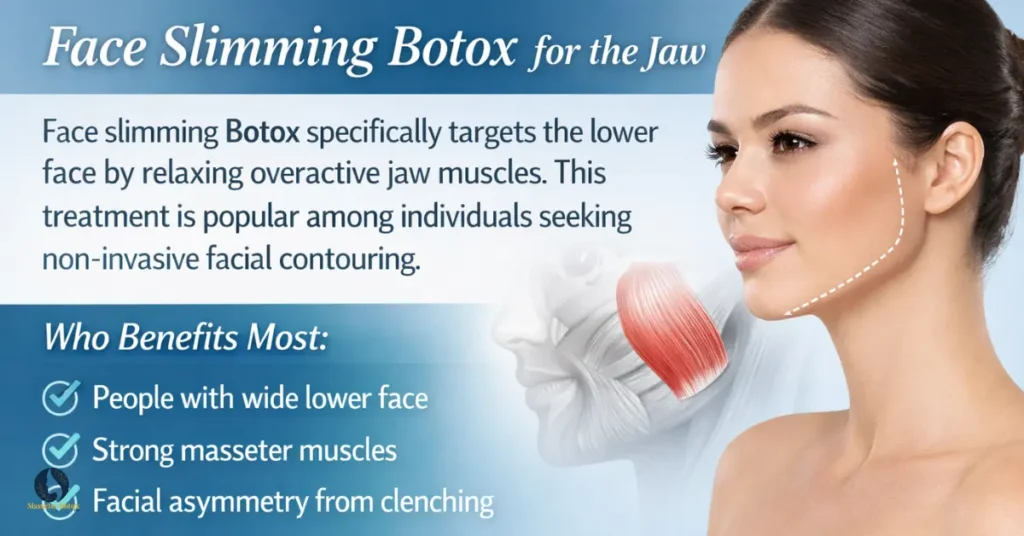
Face Slimming Botox for the Jaw
Face slimming Botox specifically targets the lower face by relaxing overactive jaw muscles. This treatment is popular among individuals seeking non-invasive facial contouring.
Who benefits most:
- People with wide lower face
- Strong masseter muscles
- Facial asymmetry from clenching
- Preference for gradual change
Non-Surgical Jaw Slimming: What to Expect
Non-surgical jaw slimming with Botox is not immediate. The muscle gradually reduces in size as it remains relaxed over time.
Timeline overview:
- Initial relaxation: 1–2 weeks
- Visible slimming: 3–6 weeks
- Peak results: 2–3 months
Botox for Jaw Clenching and Teeth Grinding
Jaw clenching and bruxism place constant strain on jaw muscles. Botox reduces the force of these movements, helping protect teeth and reduce muscle fatigue.
Functional improvements include:
- Less clenching pressure
- Reduced morning jaw pain
- Decreased tooth wear
- Improved sleep comfort
Botox for Jaw Pain and TMJ Disorders
TMJ pain is often muscular rather than joint-based. Botox helps by relaxing muscles that overload the temporomandibular joint.
TMJ-related benefits:
- Reduced muscle tension
- Fewer tension headaches
- Improved jaw comfort
- Better jaw mobility
Botox Jaw Treatment Procedure Explained
Jaw Botox is a short, outpatient procedure performed using fine needles and precise anatomical placement.
Procedure steps:
- Facial muscle assessment
- Injection point marking
- Targeted botulinum toxin injection
- Post-treatment observation
Post-Treatment Care and Recovery
Jaw Botox requires minimal aftercare, but following guidelines ensures optimal results and reduces side effects.
Aftercare recommendations:
- Avoid massaging jaw for 24 hours
- Skip strenuous exercise same day
- Maintain upright posture initially
- Resume normal activities quickly
How Long Do Jaw Botox Results Last?
Results vary between individuals but typically last several months. Repeat treatments may lead to longer-lasting muscle reduction.
Duration Table
| Effect | Duration |
| Muscle relaxation | 3–6 months |
| Jaw slimming | Improves with repeat use |
| Pain relief | Often parallels muscle relaxation |
Safety and Medical Considerations
Jaw Botox is widely used in medical and aesthetic practice. Safety depends on correct dosing, anatomical expertise, and professional administration.
Important considerations:
- Proper injector training
- Balanced dosing on both sides
- Avoiding over-weakening muscles
Importance of Professional Assessment
No two faces are the same. A personalized assessment ensures correct dosing and prevents complications such as asymmetry or chewing fatigue.
Assessment evaluates:
- Muscle size and strength
- Facial proportions
- Functional symptoms
- Desired outcome
Clinical and Educational References
Medical understanding of Botox for jaw and masseter muscles is supported by reputable health organizations and peer-reviewed literature.
Trusted sources include:
- Mayo Clinic
- National Institutes of Health
- American Academy of Dermatology
- Peer-reviewed aesthetic medicine journals
Final Thoughts
Understanding how many units of Botox for jawline, masseter Botox units per side, and botox dosage for jaw slimming requires medical accuracy and realistic expectations. Jaw Botox offers both functional relief and aesthetic improvement when performed correctly, making it a reliable non-surgical option for many individuals.