
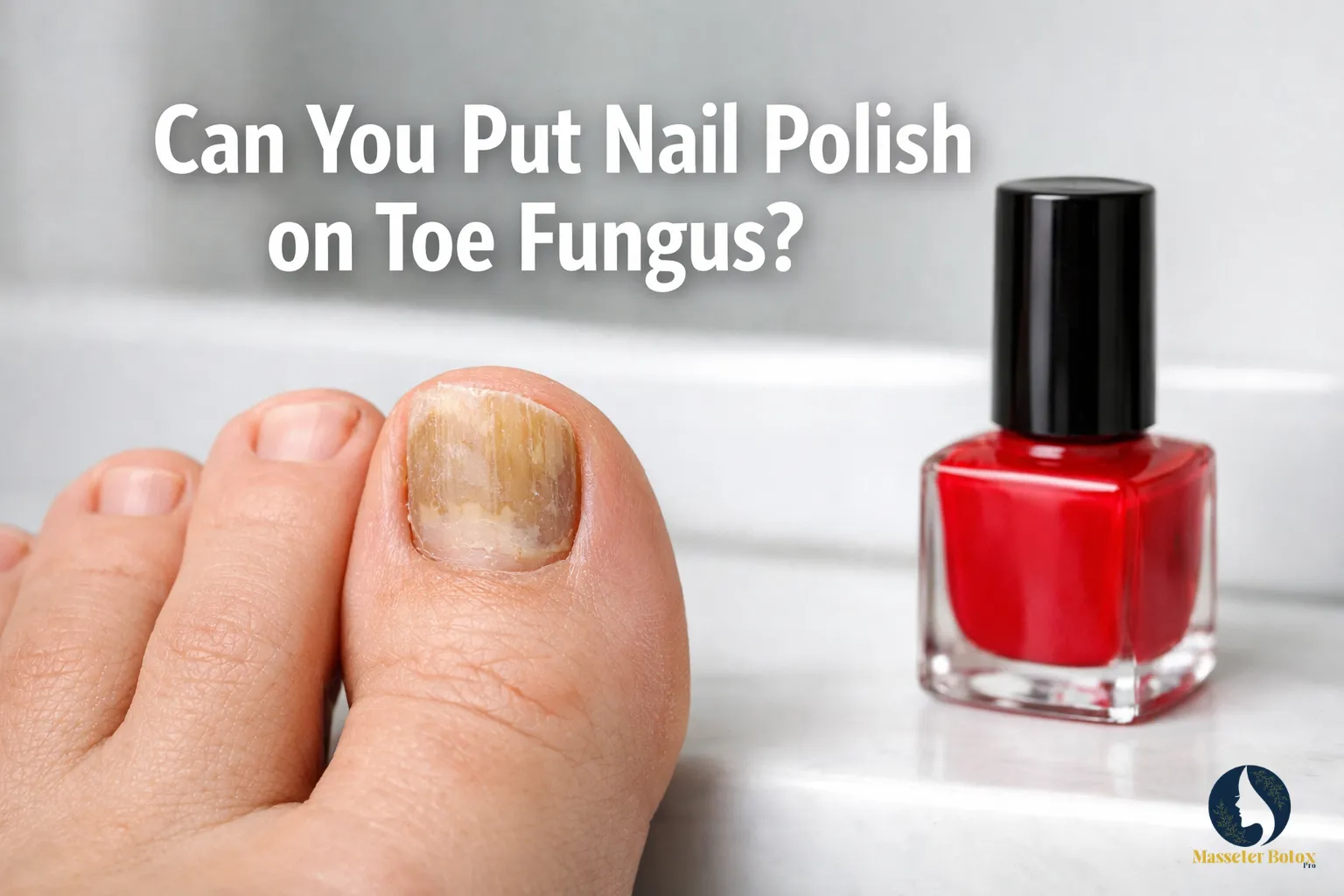
You have a special event coming up. You look down at your toenails and notice that yellowing, thickened nail everyone warns you about. Your first instinct is simple — grab the nail polish and cover it up. But wait. Before you reach for that bottle, you need to know: can you put nail polish on toe fungus, and is it actually safe?
The short answer is: it depends. Regular nail polish can make things worse. Antifungal nail polish, on the other hand, may actually help. In this guide, you will get clear, honest answers backed by real dermatological knowledge — no fluff, no filler, just facts.
What Is Toenail Fungus? (And Why It Matters)
Toenail fungus — medically known as onychomycosis — is a fungal infection that attacks the nail and the nail bed underneath it. It is one of the most common nail conditions worldwide, affecting around 10% of the general population.
Common signs of toenail fungus include:
- Yellow, brown, or white discoloration of the nail
- Thickened or brittle nail texture
- Nail edges that crumble or break easily
- A slightly foul odor coming from the nail
- The nail separating from the nail bed (onycholysis)
Toenail fungus does not go away on its own. It spreads, worsens, and can even transfer to other nails or skin if you ignore it. That is why understanding how nail polish interacts with it is so important.
Can You Put Nail Polish on Toe Fungus? The Real Answer
Technically, yes — you can apply nail polish on a fungal nail. But should you? That depends on what type of polish you use and what you are trying to achieve.
Regular Nail Polish on Toenail Fungus: A Bad Idea
Regular nail polish traps moisture under the nail. Fungi love dark, damp environments. Covering a fungal infection with regular polish creates exactly the conditions that help it grow faster and spread deeper.
Here is what happens when you use regular nail polish on toenail fungus:
- Moisture gets trapped, accelerating fungal growth
- You hide the visual symptoms, making it harder to track how the infection progresses
- The chemicals in regular polish can irritate or thin an already-compromised nail
- You delay seeking proper treatment, allowing the infection to deepen
Antifungal Nail Polish: A Better Alternative
Antifungal nail polish is a different product entirely. It contains active antifungal ingredients — such as ciclopirox or undecylenic acid — that actually fight the fungal infection while you wear the polish.
Benefits of antifungal nail polish include:
- Delivers medication directly to the nail and nail bed
- Creates less moisture buildup than regular polish
- Allows the nail to breathe while still treating the infection
- Available over-the-counter or via prescription (e.g., Penlac)
Antifungal polish works best for mild to moderate infections. For severe onychomycosis, oral antifungal medication prescribed by a dermatologist remains the most effective route.
Why People Want to Cover Toenail Fungus with Nail Polish
This is understandable. Toenail fungus looks unpleasant and can affect your self-confidence, especially during sandal season or at the pool. Many people reach for nail polish as a quick cosmetic fix.
Common reasons people try to cover toenail fungus:
- An upcoming wedding, beach trip, or social event
- Embarrassment about the nail’s appearance
- Not yet diagnosed and wanting to hide the symptom
- Wanting a temporary cosmetic fix while undergoing treatment
The desire is valid. But the method matters. If you must cover the nail, choose a breathable or antifungal polish rather than a thick regular formula. And always treat the infection at the same time.
What Type of Nail Polish Is Safe to Use on Fungal Nails?
Not all nail polishes carry the same risk level. Here is a breakdown to help you make the right choice:
| Type | Safety Level | Notes |
| Regular Nail Polish | Not Recommended | Traps moisture, worsens infection |
| Gel Nail Polish | Avoid | Very occlusive, zero breathability |
| Breathable / Halal Polish | Moderate | Allows some airflow, better option |
| Antifungal Nail Polish | Recommended | Treats infection while covering nail |
| Medicated Lacquer (Rx) | Best Option | Doctor-prescribed, clinically proven |
How to Safely Use Nail Polish When You Have Toenail Fungus
If you decide to use nail polish while treating toenail fungus, follow these steps to minimize the damage and support healing.
- Step 1 – Trim and clean the nail first. File down any thickened areas and clean the nail thoroughly with soap and water. Dry it completely before applying anything.
- Step 2 – Apply your antifungal treatment. Use your antifungal polish, cream, or medicated lacquer as directed. Let it dry completely.
- Step 3 – If using color, choose breathable polish. Apply a thin layer. Avoid layering multiple thick coats.
- Step 4 – Remove polish regularly. Do not leave nail polish on for weeks. Remove it every few days, let the nail breathe, reapply your antifungal treatment, and reapply polish if needed.
- Step 5 – Consult a dermatologist. If the infection spreads or worsens, see a doctor. Oral antifungal medications like terbinafine are often the most effective long-term solution.
Effective Toenail Fungus Treatments That Actually Work
Nail polish — even antifungal polish — is not a standalone cure. To truly eliminate onychomycosis, you need a proper treatment plan. Here are the most effective options currently available:
1. Oral Antifungal Medications
Terbinafine (Lamisil) and itraconazole are the gold standard for treating moderate to severe toenail fungus. They work from the inside out and have a high cure rate. Treatment typically lasts 6 to 12 weeks.
2. Topical Antifungal Treatments
Over-the-counter options like clotrimazole, miconazole, and undecylenic acid can help mild infections. Prescription-strength ciclopirox lacquer (Penlac) is applied like nail polish and has clinical evidence behind it.
3. Laser Treatment
Laser therapy for toenail fungus uses targeted light energy to destroy the fungal infection without harming the surrounding tissue. It is pain-free and requires no downtime, though multiple sessions are usually needed.
4. Natural Remedies (Supportive Use Only)
Tea tree oil, oregano oil, and apple cider vinegar have some antifungal properties, but they do not penetrate the nail effectively enough to cure a true fungal infection on their own. Use them as supportive care only, not as a primary treatment.
Mistakes to Avoid When You Have Toenail Fungus
Avoid these common errors that slow down your recovery:
- Wearing tight, non-breathable shoes for extended periods
- Sharing nail clippers, files, or towels with others
- Going barefoot in public showers, pools, or locker rooms
- Stopping treatment early because the nail looks better
- Using regular polish to hide the nail and then forgetting to treat it
- Ignoring the infection and hoping it resolves on its own
When to See a Doctor About Toenail Fungus
Many mild cases of toenail fungus respond well to over-the-counter treatments. However, you should book an appointment with a dermatologist or podiatrist if:
- The infection has spread to multiple nails
- The nail has completely separated from the nail bed
- You have diabetes or a weakened immune system
- Over-the-counter treatments have not worked after three months
- You experience pain, swelling, or redness around the nail
Early diagnosis and proper medical treatment dramatically improve your chances of a full recovery. Do not wait until the infection becomes severe.
How to Prevent Toenail Fungus from Coming Back
Once you clear up a toenail fungal infection, prevention is the next priority. Recurrence is common, but it is also largely preventable with the right habits.
- Keep your feet clean and dry. Fungus thrives in moisture. Dry between your toes thoroughly after showering.
- Wear moisture-wicking socks. Avoid nylon or synthetic materials that trap heat and sweat.
- Choose breathable footwear. Leather or mesh shoes allow your feet to breathe.
- Disinfect old shoes. Fungi can live in your shoes and reinfect you. Use antifungal sprays inside footwear.
- Never share nail tools. Personal nail clippers, files, and scissors should stay personal.
- Use antifungal powder. Dust your feet and the inside of shoes daily as a preventive measure.
Frequently Asked Questions
Can you paint over toenail fungus to hide it?
You can, but regular nail polish worsens the condition. If you need to cover it, use an antifungal or breathable nail polish only, and continue active treatment under the polish.
Does nail polish cause toenail fungus?
Nail polish itself does not cause toenail fungus. However, wearing polish for extended periods without removing it creates a warm, moist environment that makes fungal infections more likely to develop or worsen.
What color nail polish hides toenail fungus best?
Dark shades like deep reds, burgundy, navy, and black cover discolored nails most effectively. However, the color you choose matters far less than the type of polish. Always prioritize antifungal or breathable formulas over aesthetics.
How long does toenail fungus take to clear up?
With proper treatment, mild fungal infections can clear in 3 to 6 months. Severe infections may take 12 to 18 months because nails grow slowly. Oral antifungals produce faster results than topical treatments alone.
Is antifungal nail polish available without a prescription?
Yes. Several over-the-counter antifungal nail polishes are available at pharmacies. Prescription-strength options like ciclopirox lacquer require a doctor’s prescription and are stronger for more stubborn infections.
Final Thoughts: Polish Smart, Treat Smarter
So, can you put nail polish on toe fungus? Yes — but with clear conditions. Regular nail polish makes fungal infections worse. Antifungal nail polish can be part of your treatment routine. And in all cases, covering the nail cosmetically is never a substitute for actual treatment.
Toenail fungus is common, treatable, and nothing to be ashamed of. The key is to take action early, choose the right products, and see a dermatologist if the infection does not improve. Your nails deserve proper care, not just a cosmetic cover-up.
Start treatment today. Your healthier nails are already on the way.