
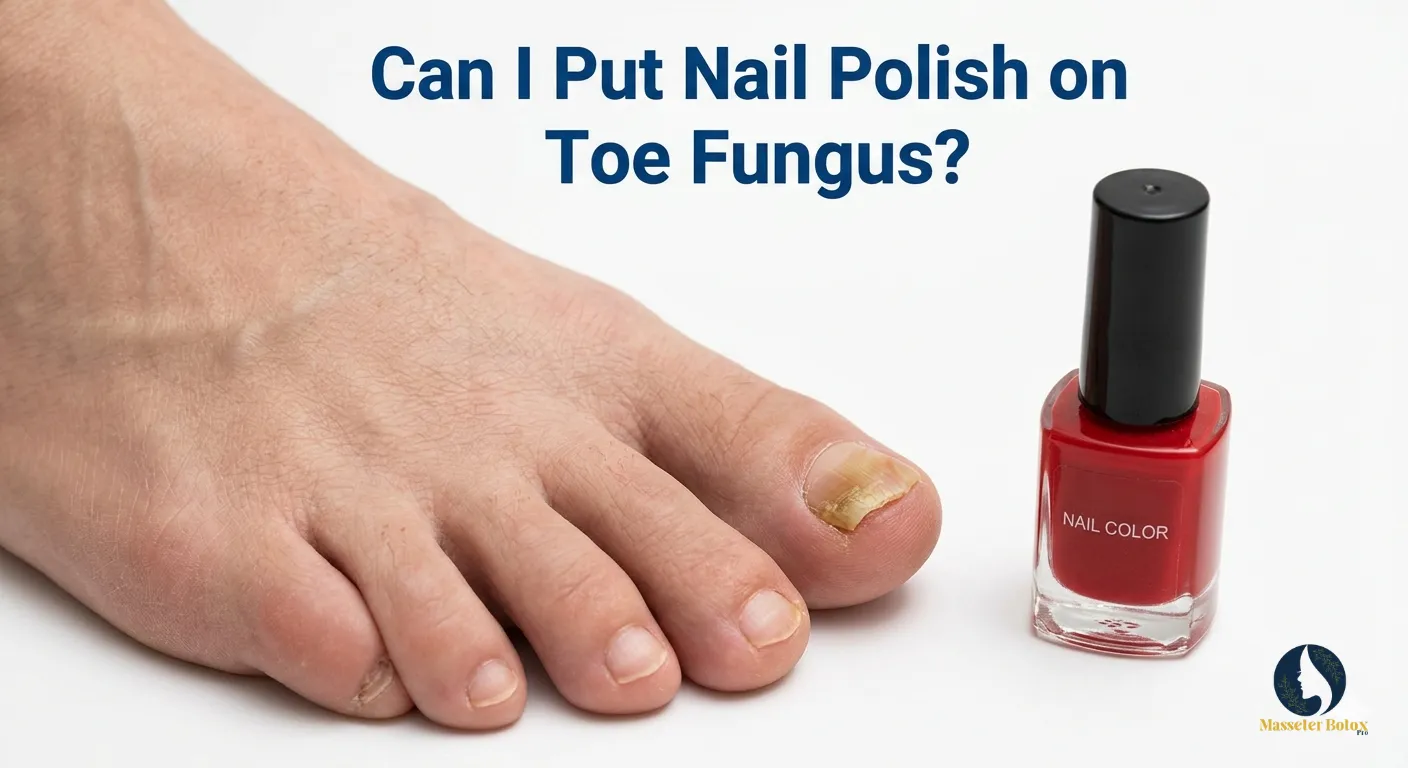
You look down at your toenails and notice something off. The color has changed. The texture looks rough. You have a social event coming up, and your first thought is: can I just put nail polish on it and hide it?
This is one of the most common questions people ask about toenail fungus. The short answer is: you can, but you probably should not. Let us explain exactly why — and what you should do instead.
What Is Toenail Fungus (Onychomycosis)?
Toenail fungus, medically known as onychomycosis, is a fungal infection that lives beneath or inside the nail plate. It is more common than most people think. Studies show that up to 14% of the general population has this condition at some point in their life.
Common signs of toenail fungus include:
- Yellowing, white, or brownish nail discoloration
- Thickened or brittle nails
- A foul smell coming from the nail
- Nail crumbling at the edges
- Nail separating from the nail bed (onycholysis)
- Distorted nail shape
The fungi responsible belong to a group called dermatophytes, though yeasts and molds can also cause nail infections. Warm, moist environments — like sweaty shoes — make it easy for these fungi to grow.
Can You Put Nail Polish on Toenail Fungus?
Yes, you physically can apply nail polish over a fungal nail. Nothing will stop you in the moment. However, dermatologists and podiatrists strongly advise against it for several important reasons.
1. Nail Polish Traps Moisture — and Fungi Love Moisture
Regular nail polish creates a seal over the nail. While that might seem harmless, it actually traps moisture between the polish and the nail surface. Fungi thrive in exactly this kind of warm, damp environment. Covering the nail with polish can accelerate the infection rather than hide it.
2. It Blocks Treatment from Working
If you are using a topical antifungal nail treatment, nail polish prevents the medication from penetrating the nail. Topical antifungals need direct contact with the nail plate to reach the fungus underneath. A coat of regular polish blocks this completely, making your treatment far less effective.
3. Nail Polish Removers Can Damage the Already Weak Nail
Nail polish removers, especially acetone-based ones, are harsh chemicals. When a nail is already weakened by fungal infection, removing the polish repeatedly can cause further damage, dryness, and irritation to the nail and surrounding skin.
4. It Hides a Medical Condition That Needs Attention
Covering toenail fungus with nail polish may make you feel better in the short term, but it delays proper diagnosis and treatment. The longer a fungal infection goes untreated, the harder it is to clear up. In some cases, severe infections can spread to other nails or even the skin.
What Do Doctors Say About Covering Toenail Fungus?
Dermatologists and podiatrists are clear on this topic. Covering toenail fungus with nail polish is not a solution — it is a cosmetic mask over a medical problem. Most healthcare professionals recommend:
- Starting antifungal treatment as early as possible
- Keeping nails clean, dry, and trimmed short
- Avoiding regular nail polish during active treatment
- Wearing breathable, moisture-wicking socks
- Not sharing nail clippers or footwear with others
- Consulting a doctor if over-the-counter treatments fail after several weeks
Are There Any Nail Polishes Safe to Use With Toenail Fungus?
If you absolutely must cover your nails — perhaps for a wedding or special event — there are some safer options to consider. These are not treatments, but they are less harmful than regular nail polish.
Breathable Nail Polish
Some brands market nail polish as “breathable” or “water-permeable.” These products are designed to allow air and water molecules to pass through the polish layer. While research on their effectiveness for fungal nail conditions is limited, they are generally considered a better option than standard nail polish when covering an infected nail.
Antifungal Nail Polish
This is the most recommended option. Antifungal nail polishes contain active ingredients like ciclopirox or amorolfine that actually treat the fungus while covering the nail. Prescription-strength versions, such as Penlac (ciclopirox 8%), are applied like regular nail polish but work as a targeted medication.
Benefits of antifungal nail polish:
- Treats and covers at the same time
- Easy to apply at home
- Less harsh than oral antifungal medications
- Available in prescription and over-the-counter formulas
- Can be used as a standalone treatment for mild-to-moderate infections
Note: Antifungal nail polishes work slowly. You may need to use them consistently for 6 to 12 months before seeing full results. Always speak to your doctor before starting any treatment.
Effective Treatment Options for Toenail Fungus
Covering the infection with nail polish delays healing. Here are clinically proven treatment approaches to actually clear the fungal nail infection:
Over-the-Counter Topical Antifungals
Products containing clotrimazole, terbinafine, or undecylenic acid are available without a prescription. They are best for mild infections and early-stage fungal nail discoloration. Apply daily after cleaning and drying the affected nail completely.
Prescription Oral Antifungals
For moderate to severe cases, doctors often prescribe oral medications like terbinafine (Lamisil) or itraconazole. These medications work from the inside out and have high success rates. However, they come with possible side effects and require liver function monitoring for some patients.
Laser Therapy
Laser treatment for onychomycosis is a newer option. It uses targeted laser light to penetrate the nail and destroy the fungus without damaging surrounding tissue. Results vary, and it can be expensive since most insurance plans do not cover it.
Natural Remedies — Do They Work?
Some people try home remedies like tea tree oil, white vinegar soaks, or coconut oil. While small studies suggest tea tree oil has antifungal properties, the evidence is not strong enough to replace medical treatments. Use these only as a supplement, not a substitute.
How to Prevent Toenail Fungus From Coming Back
Even after successful treatment, toenail fungus has a high recurrence rate. Good nail hygiene and lifestyle habits are your best defense.
- Keep your feet clean and completely dry after showering
- Wear moisture-wicking socks and change them daily
- Choose shoes that fit well and allow airflow
- Wear flip-flops or sandals in public showers, gyms, and pools
- Trim your toenails straight across and keep them short
- Do not share nail tools, socks, or shoes with others
- Use antifungal foot powder if you are prone to sweaty feet
- Inspect your nails regularly for early signs of infection