In the world of non-surgical facial contouring, few treatments offer the dual-action benefits of Masseter Botox. Often searched for its ability to create a slimmer jawline, this procedure is also a powerful solution for dental health issues like teeth grinding and TMJ disorders that affect millions of Americans.
If you are considering this treatment, the first question is often about the Botox masseter muscle cost. Is it a worthwhile investment? How much should you budget in your city? This guide breaks down every dollar for the US market, explains where your money goes, and helps you determine if this treatment is right for you.
What is Masseter Botox and How Does It Work?
The masseter is one of the primary muscles responsible for chewing, located at the side of the jaw. When this muscle is overdeveloped—due to genetics, chronic clenching, or chewing gum—it can create a square, bulky appearance.
Masseter Botox involves injecting botulinum toxin into this muscle. The toxin blocks nerve signals, causing the muscle to relax. As the muscle relaxes and is used less forcefully, it begins to shrink, leading to a softer, more contoured, V-shaped face.
Who is the Ideal Candidate?
| Candidate Type | Primary Concern | Expected Outcome |
|---|---|---|
| Aesthetic Seekers | Square or wide jawline due to muscle bulk | Facial slimming, V-line contour |
| Bruxism Sufferers | Teeth grinding, worn enamel, jaw clenching | Reduced grinding, protection of teeth |
| TMJ Patients | Jaw pain, tension headaches, jaw popping | Pain relief, muscle relaxation |
Botox Masseter Muscle Cost: Complete USA Breakdown
The financial investment for this procedure varies significantly across the United States. Unlike buying a product off a shelf, the price depends on your location, your provider’s expertise, and your unique physiology.
Average Cost Ranges Across the USA
Here is what you can expect to pay based on current US market data:
| US Region | Average Cost Range | Typical Cities |
|---|---|---|
| Northeast | $650 – $1,200 | New York, Boston, Philadelphia |
| West Coast | $600 – $1,100 | Los Angeles, San Francisco, Seattle |
| Southwest | $500 – $900 | Dallas, Phoenix, Houston |
| Midwest | $450 – $800 | Chicago, Minneapolis, Detroit |
| Southeast | $450 – $850 | Miami, Atlanta, Charlotte |
| Mountain States | $500 – $850 | Denver, Salt Lake City |
Pricing Models Used by US Clinics
| Pricing Model | Average Cost Range | Where Common |
|---|---|---|
| Per Unit Pricing | $10 – $20 per unit | Most common nationwide |
| Per Session (Flat Rate) | $500 – $1,200 | Metropolitan areas |
| Per Side | $250 – $600 per side | Common in medspas |
| Membership Pricing | $400 – $800 | Chain clinics, membership programs |
Why the Price Varies: Key Cost Factors
Understanding these variables will help you interpret quotes from different clinics across America.
1. The Number of Units Required
The masseter is the strongest muscle in the face relative to its size. It requires a significant dose to achieve optimal relaxation.
- Typical Dosage: 20-30 units per side (40-60 total units)
- For Men: Due to denser muscle mass, men often require 25-40 units per side
- For Severe Bruxism: May require 30-35 units per side
- Cost Implication: If a clinic charges $15/unit and you need 50 units, your total is $750
2. Geographic Location Within the USA
Prices are heavily influenced by local market economics:
| City | Average Cost Range | Typical Units Used |
|---|---|---|
| New York City | $800 – $1,200 | 40-60 units |
| Los Angeles | $700 – $1,100 | 40-60 units |
| Chicago | $550 – $850 | 40-60 units |
| Miami | $500 – $800 | 40-60 units |
| Dallas | $500 – $800 | 40-60 units |
| Denver | $500 – $750 | 40-60 units |
| Phoenix | $450 – $700 | 40-60 units |
| Atlanta | $450 – $700 | 40-60 units |
3. Provider Expertise
This is the most critical factor. A board-certified dermatologist or plastic surgeon with extensive facial anatomy knowledge will charge more than a medspa with minimal nursing oversight. This higher cost correlates with lower risk of complications.
| Provider Type | Average Cost Range | Risk Level | Where to Find |
|---|---|---|---|
| Board-Certified Dermatologist | $800 – $1,200 | Lowest | Medical offices, hospitals |
| Board-Certified Plastic Surgeon | $800 – $1,200 | Lowest | Surgical centers, private practice |
| Cosmetic Dentist | $600 – $1,000 | Low | Dental offices |
| Nurse Injector (MD Supervised) | $500 – $800 | Moderate | Medspas, dermatology offices |
| Medspa (Non-Medical Director) | $400 – $700 | Higher | Standalone medspas |
| “Botox Parties” | $300 – $500 | Highest | Private events, avoid these |
4. Type of Neurotoxin Used in USA
While “Botox” is the brand name (Allergan, an AbbVie company), other FDA-approved toxins are available:
| Brand | Manufacturer | Typical Cost per Unit | Duration | Notable Features |
|---|---|---|---|---|
| Botox Cosmetic | Allergan (AbbVie) | $12 – $20 | 3-4 months | Gold standard, most researched |
| Dysport | Galderma | $10 – $16 | 3-4 months | Faster onset, spreads more |
| Xeomin | Merz | $11 – $17 | 3-4 months | Pure toxin, no additives |
| Jeuveau | Evolus | $10 – $15 | 3-4 months | “Newtox,” similar to Botox |
| Daxxify | Revance | $15 – $22 | 6-9 months | Newest, longest lasting |
Masseter Botox Cost vs. Benefits: Is It Worth It for Americans?
To determine value, you must weigh the financial outlay against the functional and aesthetic returns.
The Aesthetic ROI: Facial Slimming
A square jaw can sometimes appear masculine or broad. By shrinking the masseter muscle, patients achieve a more heart-shaped or oval face. This non-surgical jaw reduction offers significant confidence benefits without the risks of surgery.
Aesthetic Benefits Include:
- Visible slimming of the lower face
- Enhanced cheekbone prominence
- More balanced facial proportions
- Softer, more feminine appearance (for those seeking it)
- Natural-looking results that develop gradually
- No surgical scars or downtime
The Medical ROI: Bruxism and TMJ Relief
For the estimated 10 million Americans who grind their teeth at night, the cost of Masseter Botox can be offset by the dental damage it prevents.
Medical Benefits Include:
- Reduction in teeth grinding by up to 80%
- Decreased morning jaw pain and headaches
- Reduced need for expensive dental work
- Protection of dental restorations (crowns, veneers)
- Improved sleep quality
- Decreased reliance on pain medications
Cost Comparison: Botox vs. Alternatives in USA
| Treatment Option | Average Cost | Insurance Coverage | Downtime | Duration |
|---|---|---|---|---|
| Masseter Botox | $500 – $1,200 | Rarely (cosmetic) | None | 4-6 months |
| Jaw Reduction Surgery | $8,000 – $20,000 | No | 2-4 weeks | Permanent |
| Custom Dental Night Guard | $300 – $800 | Sometimes (medical) | None | 1-5 years |
| Over-the-Counter Mouth Guard | $20 – $50 | No | None | 3-6 months |
| Physical Therapy for TMJ | $100 – $300/session | Often | None | Variable |
| Chiropractic for TMJ | $50 – $200/session | Sometimes | None | Variable |
| Pain Medications | $10 – $100/month | Often | None | Ongoing |
Longevity and Maintenance
- Initial Results Duration: 4 to 6 months
- With Regular Treatments: 6 to 8 months (muscle atrophy makes results last longer)
- The Maintenance Effect: With regular treatments over 2-3 years, the muscle atrophy can become semi-permanent, meaning you may eventually need fewer units or less frequent touch-ups
- Annual Cost Estimate: $1,000 – $2,400 per year (2-3 treatments)
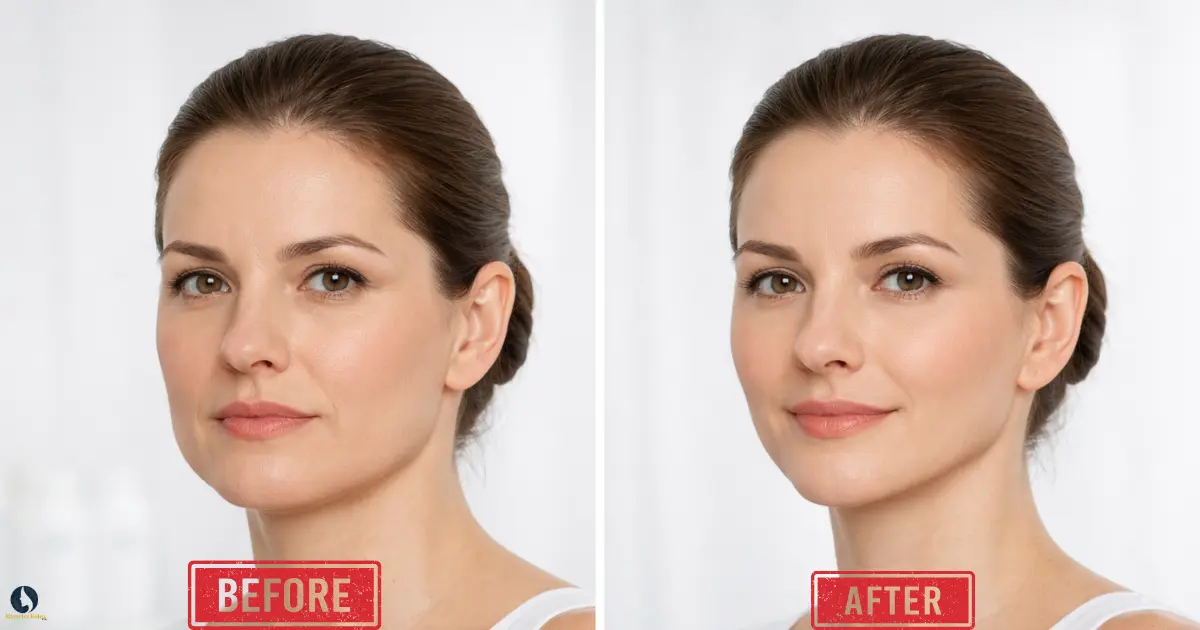
Masseter Botox Before and After: What to Expect
Managing expectations is key to satisfaction with this treatment.
Timeline of Results
| Timeframe | What to Expect |
|---|---|
| Day of Treatment | Mild redness or swelling at injection sites; no visible changes |
| Days 1-3 | Slight soreness when chewing; muscle begins to relax |
| Week 1 | Noticeable reduction in jaw tension; face may feel different when clenching |
| Week 2-4 | Initial visual slimming begins; friends may notice something different |
| Month 2 | Peak visible results; jawline appears significantly softer |
| Month 3 | Full muscle atrophy achieved; maximum slimming visible |
| Month 4-6 | Results gradually fade; muscle function returns |
Before and After: What Actually Changes
What Changes:
- Width of the lower face decreases by 10-20% on average
- Jawline appears softer and more tapered
- Masseter muscle feels softer at rest
- Teeth grinding intensity decreases significantly
- Jaw pain diminishes or resolves
What Does NOT Change:
- Bone structure remains the same
- Facial expressions remain natural
- Ability to chew (though tough foods may feel different)
- Lower face height
The Treatment Process: Step by Step for US Patients
Understanding what happens during your appointment helps set expectations and reduces anxiety.
Step 1: Consultation (15-30 minutes)
- Provider assesses your masseter muscle size through palpation
- Discusses your goals and concerns
- Reviews medical history and contraindications
- May take photos for before/after comparison
- Determines appropriate dosage
- Provides written cost estimate
Step 2: Informed Consent
- Review risks and benefits
- Sign consent forms
- Discuss realistic expectations
- Confirm pricing and payment method
Step 3: Preparation (5 minutes)
- Treatment area is cleansed with alcohol
- Ice or numbing cream may be applied (optional)
- Provider marks injection points based on facial anatomy
Step 4: Injection (10-15 minutes)
- Small amount of Botox injected into specific points on each masseter
- Typically 3-5 injections per side
- Procedure takes 10-15 minutes total
- Minimal discomfort (described as a small pinch)
Step 5: Post-Treatment (5 minutes)
- Immediate return to normal activities
- Provider reviews aftercare instructions
- Follow-up scheduled for 2-4 weeks if needed
- Payment processed
Aftercare Instructions for Optimal Results
Proper aftercare ensures the best possible outcome from your investment.
First 4 Hours
- Keep head elevated
- Do not lie down
- Avoid touching or rubbing the area
- Stay upright and active
- Do not apply pressure to the area
First 24 Hours
- No strenuous exercise or gym workouts
- No alcohol consumption
- No facials or massage
- No excessive heat (sauna, hot yoga, tanning)
- No blood-thinning medications unless prescribed
- No flying (pressure changes may affect results)
Days 2-7
- Gentle chewing encouraged to help Botox bind to receptors
- Chew gum or eat a firm meal within the first few hours
- Can resume normal exercise after 24 hours
- Can wear makeup (if no irritation)
- Avoid sleeping on your face
- Use arnica for any bruising
Do’s and Don’ts Summary
| Do | Don’t |
|---|---|
| Chew gum or eat a firm meal soon after | Lie down for 4 hours |
| Stay hydrated | Exercise vigorously for 24 hours |
| Use ice for any discomfort | Drink alcohol for 24 hours |
| Sleep on your back | Get facials for 1 week |
| Be patient for results | Expect immediate changes |
Potential Side Effects and Safety Considerations
While generally safe, Masseter Botox requires precision. It is considered an off-label use by the FDA, though it is widely practiced by qualified professionals across the United States.
Common Side Effects
| Side Effect | Frequency | Duration | Management |
|---|---|---|---|
| Mild soreness at injection sites | Very common (80%) | 1-2 days | Ice pack, Tylenol |
| Minor bruising | Common (30%) | 3-7 days | Arnica cream, concealer |
| Headache | Occasional (10%) | 24-48 hours | Hydration, rest, Tylenol |
| Temporary weakness when chewing | Common (40%) | 2-4 weeks | Eat softer foods initially |
| Swelling | Common (20%) | 24-48 hours | Ice, resolves spontaneously |
Rare but Serious Risks
| Risk | Cause | Resolution |
|---|---|---|
| Crooked smile | Toxin spreads to smile muscles | Temporary, resolves in weeks |
| Asymmetry | Uneven dosage or placement | Touch-up at 2 weeks |
| Over-weakening | Dosage too high | Resolves as Botox wears off |
| Allergic reaction | Sensitivity to ingredients | Extremely rare, medical emergency |
| Difficulty chewing | Muscle too weakened | Temporary, adjust diet |
Who Should NOT Get Masseter Botox
- Pregnant or breastfeeding women
- Individuals with neuromuscular disorders (ALS, myasthenia gravis)
- Those with infection at injection site
- People allergic to any ingredients in Botox
- Those with unrealistic expectations
- Patients on certain antibiotics (aminoglycosides)
- Those with bleeding disorders
How to Choose a Provider in the USA
Selecting the right provider is the most important decision you’ll make for this treatment.
Qualifications to Look For
Medical Professionals Qualified to Inject:
- Board-Certified Dermatologist (FAAD)
- Board-Certified Plastic Surgeon (FACS)
- Board-Certified Facial Plastic Surgeon
- Cosmetic Dentist (DDS or DMD with training)
- Registered Nurse (RN) under medical direction
- Physician Assistant (PA-C) in dermatology/plastic surgery
Where to Find Qualified Providers
- American Academy of Dermatology (aad.org) – Find a dermatologist
- American Society of Plastic Surgeons (plasticsurgery.org) – Find a plastic surgeon
- RealSelf.com – Reviews and provider listings
- Google Reviews – Local patient experiences
- Word of mouth – Friends and family recommendations
Questions to Ask Before Booking
- How many masseter treatments have you performed?
- Can I see before and after photos of your patients with similar anatomy?
- What is your approach to determining dosage for my specific face?
- What happens if I need a touch-up? Is it included or extra?
- Do you use authentic, FDA-approved products from reputable sources?
- What are the risks specific to my anatomy?
- What is your policy on unsatisfactory results?
Red Flags to Avoid
- Prices significantly below market average ($300 or less)
- Inability to show before and after photos
- Non-medical personnel performing injections
- Pressure to book immediately (“today only” pricing)
- No consultation before treatment
- Unwillingness to discuss risks
- Location in someone’s home or non-medical setting
- “Botox parties” with multiple people drinking alcohol
The Importance of Authentic Product
Reputable providers should:
- Show you the sealed vial before opening
- Use product from reputable pharmaceutical distributors
- Explain the brand they’re using (Botox, Dysport, etc.)
- Document the number of units used in your chart
- Provide a receipt with product details
Masseter Botox for Different Demographics
For Women
- Typically requires 20-25 units per side
- Goal often facial slimming and softening
- Results create more heart-shaped face
- Popular among professionals and public figures
For Men
- Requires 25-40 units per side
- Goal often pain relief from grinding
- Maintains masculine contours while reducing bulk
- Increasing popularity among male executives
For Asian American Patients
- Particularly popular in Korean and Chinese aesthetics
- Focus on creating V-line face shape
- Often combined with chin filler for profile balance
- Cultural preference for oval face shape
For African American Patients
- May require higher doses due to muscle density
- Focus often on TMJ relief
- Maintain natural contours while reducing bulk
- Consideration of unique facial anatomy
For Older Adults (50+)
- May require lower dosage
- Focus often on TMJ relief rather than aesthetics
- Consideration of skin laxity (significant muscle reduction may reveal sagging)
- May combine with skin tightening treatments
Payment Options and Financing for US Patients
Accepted Payment Methods
Most US clinics accept:
- Credit cards (Visa, Mastercard, American Express, Discover)
- Debit cards
- Cash
- HSA/FSA cards
- CareCredit
- Alphaeon Credit
- Patient financing plans
Using HSA/FSA Funds
If you have bruxism or TMJ diagnosed by a dentist or doctor:
- You may be able to use Health Savings Account (HSA) funds
- Flexible Spending Account (FSA) funds may also qualify
- You’ll need a letter of medical necessity from your provider
- Keep detailed receipts and documentation
- Check with your plan administrator before treatment
Financing Options
| Financing Company | Terms | Approval | Interest Rates |
|---|---|---|---|
| CareCredit | 6, 12, 24 months | Easy | 0% promos, then variable |
| Alphaeon Credit | 3-60 months | Easy | 0% promos available |
| PatientFi | 3-60 months | Moderate | Competitive rates |
| LendingClub | 12-60 months | Credit dependent | Variable |
| In-house payment plans | Varies by clinic | Easy | Often 0% |
Cost Saving Tips for US Patients
How to Make Treatment More Affordable
- Membership Programs: Many clinics offer monthly memberships with discounted rates (Allē by Allergan, clinic-specific programs)
- Loyalty Points: Allē program gives points toward future treatments with Botox
- Bundle Deals: Combining with other treatments may reduce overall cost
- Referral Discounts: Referring friends often earns $50-$100 credit
- Seasonal Promotions: Watch for end-of-year or holiday specials
- HSA/FSA Accounts: Use pre-tax dollars if eligible
- New Patient Specials: Many clinics offer first-time discounts
- Multiple Area Discounts: Treating masseter plus other areas may save money
Allē Loyalty Program Benefits
- Free to join
- Earn points on every Botox purchase
- $1 = 1 point, 100 points = $10 off
- Birthday bonus points
- Exclusive member offers
- Track your treatments
What NOT to Compromise On
- Never choose a provider based solely on price
- Avoid “Botox parties” or non-medical settings
- Don’t accept significantly discounted product (could be counterfeit)
- Never share vials or accept “half doses” to save money
- Don’t skip consultation to save $50
- Avoid Groupon for injectables (often indicates inexperience)
State-by-State Cost Comparison
| State | Average Cost Range | Typical Cities |
|---|---|---|
| California | $600 – $1,100 | Los Angeles, San Francisco, San Diego |
| New York | $700 – $1,200 | New York City, Buffalo, Albany |
| Texas | $500 – $800 | Dallas, Houston, Austin |
| Florida | $500 – $800 | Miami, Orlando, Tampa |
| Illinois | $550 – $850 | Chicago, Naperville |
| Pennsylvania | $500 – $800 | Philadelphia, Pittsburgh |
| Ohio | $450 – $700 | Columbus, Cleveland, Cincinnati |
| Georgia | $450 – $700 | Atlanta, Savannah |
| North Carolina | $450 – $700 | Charlotte, Raleigh |
| Michigan | $450 – $700 | Detroit, Grand Rapids |
| New Jersey | $600 – $900 | Newark, Princeton |
| Virginia | $500 – $800 | Richmond, Virginia Beach |
| Washington | $600 – $900 | Seattle, Bellevue |
| Arizona | $450 – $700 | Phoenix, Scottsdale |
| Colorado | $500 – $750 | Denver, Boulder |
| Massachusetts | $650 – $950 | Boston, Cambridge |
| Nevada | $500 – $750 | Las Vegas, Reno |
Conclusion
The Botox masseter muscle cost represents an investment in both your appearance and your oral health. With prices typically ranging from $500 to $1,200 per session across the United States, it offers significant value when you consider the dual benefits of facial slimming and medical relief from bruxism and TMJ disorders.
By prioritizing a skilled, experienced injector over the lowest price, you ensure natural-looking results and avoid the pitfalls of complications. Whether you’re seeking a slimmer jawline or relief from painful grinding, this treatment has helped countless American patients achieve their goals.
Remember that the cheapest option is rarely the best value when it comes to injections near vital nerves and muscles. Invest in expertise, ask the right questions, and enjoy the confidence that comes with knowing you’re in capable hands.
Summary: Key Takeaways for US Patients
| Category | Key Information |
|---|---|
| Average Cost USA | $500 – $1,200 per session |
| Typical Units | 40-60 total units (20-30 per side) |
| Men Require | 50-80 total units typically |
| Procedure Time | 10-15 minutes |
| Downtime | None |
| Results Begin | 2-4 weeks |
| Full Results | 2-3 months |
| Duration | 4-6 months |
| Best For | Jaw slimming, teeth grinding, TMJ pain |
| FDA Status | Off-label use (but widely practiced) |
| HSA/FSA Eligible | With medical diagnosis |
Find a Provider Near You
To locate qualified masseter Botox providers in your area:
- Visit the American Academy of Dermatology website
- Search RealSelf.com for reviews and before/after photos
- Check Google Reviews for local providers
- Ask your dentist for recommendations (they often know who treats bruxism)
- Consult with at least 2-3 providers before deciding
Frequently Asked Questions (FAQs) for US Patients
How much does Botox for masseter muscles cost in the USA?
The average cost ranges from $500 to $1,200 per session across the United States. Most patients pay between $600 and $800 for a complete treatment. Prices vary significantly by region, with New York and Los Angeles at the high end and smaller midwestern cities at the lower end. Your final cost depends on the number of units needed (typically 40-60 total units) and your provider’s expertise.
How many units of Botox are needed for masseter muscles?
Most patients require 20-30 units per side, totaling 40-60 units for both sides. Men typically need more, often 25-40 units per side due to larger muscle mass. Severe teeth grinding cases may also require higher doses. Your provider will determine the exact amount during consultation based on muscle thickness and your goals.
Is masseter Botox covered by insurance in the US?
Generally no, it is considered a cosmetic procedure. However, if you have documented medical necessity for severe bruxism or TMJ disorders, you may be able to use HSA or FSA funds. Some patients successfully submit claims to insurance, but reimbursement is rare. Check with your provider and insurance company before treatment for pre-approval possibilities.
How long does masseter Botox last?
Results typically last 4 to 6 months for first-time patients. With regular treatments over 2-3 years, the muscle atrophies and results may last longer—sometimes 6-8 months between sessions. Daxxify, a newer option, may last 6-9 months. Factors like metabolism, dosage, and muscle strength affect longevity.
When will I see results from masseter Botox?
You may feel reduced jaw tension within the first week. Visual slimming typically begins at 2-4 weeks, with final results visible around 2-3 months post-treatment. Be patient—this is not an immediate result like filler. The muscle needs time to atrophy and shrink for full contouring effect.
Does masseter Botox hurt?
Most patients report minimal discomfort—described as a small pinch. The needles are very fine, and the procedure takes only 10-15 minutes. Some providers use ice or numbing cream for additional comfort. Many patients return regularly, indicating it’s well-tolerated. Any soreness typically resolves within 24 hours.
Can I chew normally after masseter Botox?
Yes, you will still be able to chew normally. However, you may find it slightly harder to chew very tough foods like steak, bagels, or chewy bread for the first few weeks. This is actually a sign the treatment is working. Stick to softer foods initially and gradually return to normal diet as the muscle adjusts.
Can masseter Botox help with teeth grinding?
Yes, it is highly effective for bruxism. By relaxing the masseter muscle, it reduces the force of grinding by up to 80%, protecting teeth from wear and reducing morning jaw pain and headaches. Many patients report better sleep quality and less partner disturbance from grinding noises.
Are there any long-term side effects of masseter Botox?
With proper treatment by qualified providers, long-term side effects are rare. Some patients experience temporary changes in smile or chewing that resolve as the Botox wears off. Muscle function returns completely once treatment is discontinued. No permanent muscle damage has been documented with proper use by trained professionals.
Can masseter Botox make my face look saggy?
In patients over 40 or those with significant skin laxity, reducing muscle volume can occasionally reveal loose skin. A skilled provider will assess your skin elasticity before treatment and may recommend combining with skin tightening procedures if concerned. For most patients under 40 with good skin tone, this is not an issue.
What happens if I stop getting masseter Botox?
The muscle will gradually return to its original size and function over 4-8 months. Your jaw will slowly return to its previous shape, and any teeth grinding will resume. There are no negative effects from stopping—you simply return to your baseline. The process is completely reversible and safe.
Is masseter Botox safe during pregnancy or breastfeeding?
No. Botox is category C during pregnancy, meaning risk cannot be ruled out. Most providers will not treat pregnant or breastfeeding patients. Wait until after you’ve completed breastfeeding to ensure safety for your baby. Discuss alternative treatments for bruxism during this time with your healthcare provider.